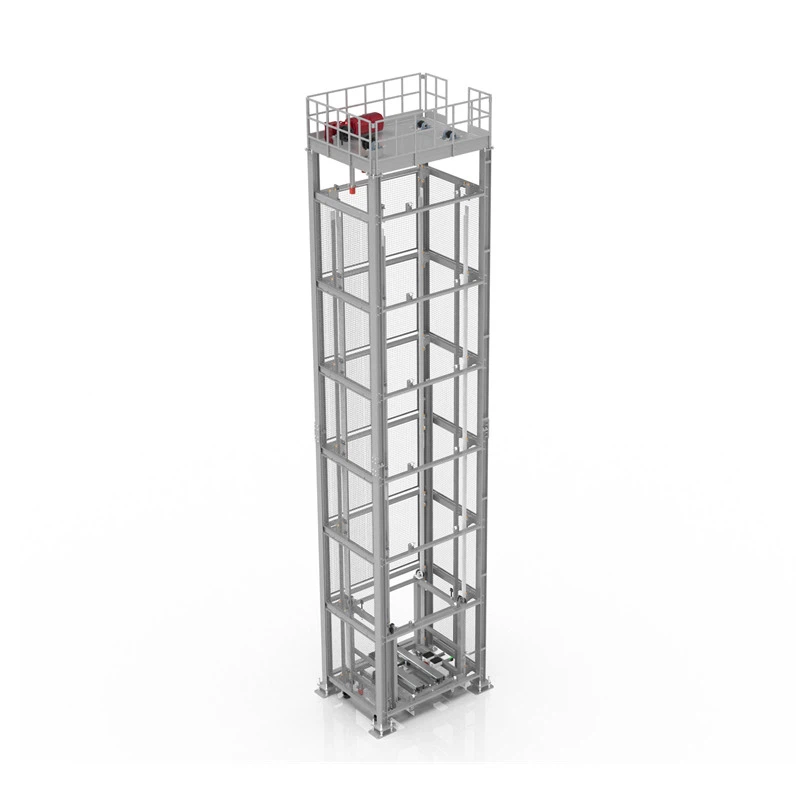
I. Basic Concepts and Classifications of Conveying Equipment
Conveying equipment is a mechanical device used for continuous or intermittent material transport and is widely used in mining, ports, manufacturing, and other fields. Based on the transmission method and structural differences, it is mainly divided into the following types:
1. Belt Conveyor: Utilizing a rubber or metal belt as the carrying surface, it is suitable for horizontal or inclined conveying of bulk materials (such as coal and grain). Conveying speeds typically range from 0.8 to 4 m/s (according to the Mechanical Engineering Handbook), with low energy consumption and efficiency exceeding 90%.
2. Chain Conveyor: Chain-driven scrapers or trays are suitable for heavy materials (such as those in automobile assembly lines). They have a load capacity of up to 50 tons/hour but are noisy.
3. Screw Conveyor: Utilizing spiral blades to propel powders or granular materials, it offers excellent sealing properties but short conveying distances (generally less than 30 meters).
II. Key Technologies and Development Trends
1. Intelligent Control: Modern conveying systems integrate IoT sensors for real-time monitoring of operating status. For example, a German company developed an intelligent belt conveyor that predicts failures through vibration analysis, reducing downtime by 30% (data source: 2023 International Logistics Technology Report).
2. Energy-saving design: Variable-frequency motors are used to reduce no-load energy consumption, with some new equipment achieving energy savings of up to 25%. EU standard EN 620:2021 requires that the no-load power of a conveyor be less than 10% of the total power.
3. Modular construction: Standardized components shorten installation cycles. For example, modular pulley assembly takes 60% less time than traditional welding.