Choosing an automated tote warehouse is not simply a matter of comparing robot speeds or storage capacities. Three systems may all store small components in totes, yet handle those totes in very different ways.
For a manufacturer planning a new warehouse or upgrading an existing one, the important questions are practical. How much usable height does the building offer? How heavy are the loaded totes? How frequently must stored items be retrieved? Does the operation need robots to move between storage lanes, or would a more structured aisle-based arrangement be sufficient?
Mini-FlyBox, Tote Four-Way Shuttle AS/RS and Mini-load AS/RS address different combinations of these requirements. Their specifications help establish which options are worth considering, but the final decision depends on how inventory moves through the operation and what the complete system needs to deliver.
Three Systems, Three Different Storage Architectures
The first distinction is how each system moves and retrieves totes.
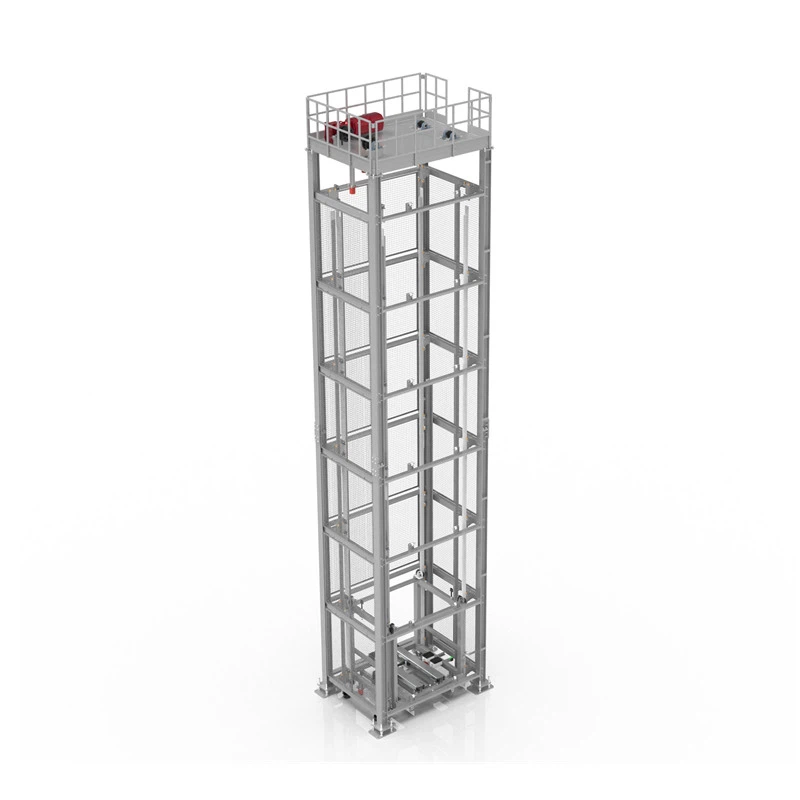
Mini-FlyBox integrates horizontal travel and vertical level-changing functions within a rack-based structure. This compact arrangement is designed for applications where storage density and the efficient use of building space are important. DELIECN Mini-FlyBox supports warehouse configurations up to 12 m high, with an aisle configuration as narrow as 860 mm and a maximum tote load of 50 kg.
A Tote Four-Way Shuttle AS/RS uses robots that travel in both main-aisle and sub-aisle directions. Level-changing lifters move robots between storage levels, allowing the system to coordinate tote retrieval across the rack structure. DELIECN's tote four-way shuttle specifications include a maximum load of 50 kg, a maximum travel speed of 5 m/s and positioning accuracy of ±2 mm. Depending on the application, the storage arrangement can use single-deep or double-deep configurations.
A Mini-load AS/RS generally uses a stacker crane to retrieve totes from a defined aisle. The crane travels along the aisle to access storage locations and transfers totes through designated input and output interfaces. DELIECN Mini-load equipment supports loads up to 300 kg, with 50 kg being a common application load. Maximum travel speed is up to 5 m/s, with positioning accuracy of ±2 mm, depending on the equipment configuration.
These specifications provide useful starting points, but they should not be compared in isolation. A robot's maximum travel speed, for example, does not tell you how many totes the complete warehouse can deliver to a picking station each hour.
When Mini-FlyBox Is Worth Considering
Mini-FlyBox is particularly relevant when the available building space places tight constraints on the storage layout.
Its integrated horizontal and vertical movement arrangement reduces the need to plan those functions as separate equipment movements. With configurations up to 12 m high, an aisle as narrow as 860 mm and a maximum tote load of 50 kg, the system is worth evaluating for compact storage applications involving small components and other suitable tote-based inventory.
For a manufacturer working with many component types in an existing facility, the narrow-aisle configuration can help make better use of the available footprint. The rack layout, storage positions and material transfer interfaces can be planned together around the intended operation.
The important question is whether the system can accommodate the required inventory while delivering totes at the rate the picking process demands.
A compact rack does not automatically guarantee high picking throughput. The achievable operating rate also depends on the workload, robot configuration, level-changing capacity, task scheduling and the connection to picking stations.
Mini-FlyBox is therefore worth shortlisting when building space is a major constraint and the application fits its load and height range. Its suitability should then be assessed against actual inventory and retrieval requirements.
When a Tote Four-Way Shuttle System Makes More Sense
A Tote Four-Way Shuttle AS/RS becomes an important option when the operation requires robots to move between main aisles and storage lanes, with tasks coordinated across different levels.
DELIECN's tote four-way shuttle specifications include a maximum tote load of 50 kg, a maximum travel speed of 5 m/s and positioning accuracy of ±2 mm. These figures describe the equipment's capabilities; the final system performance depends on the number of robots, the rack configuration, lifter capacity and the required material flow.
The architectural distinction is the robot's ability to travel in both main-aisle and sub-aisle directions. With suitable level-changing equipment and WCS coordination, the system can support flexible storage and retrieval across the rack structure.
This can be useful in high-SKU warehouses where retrieval demand changes throughout the day or where several storage areas need to work together. Single-deep and double-deep configurations also allow the storage arrangement to be matched to inventory characteristics and project requirements.
However, four-way movement is not automatically necessary for every tote warehouse. If the operation has a relatively predictable workload and a straightforward aisle layout, a different architecture may meet the requirement without introducing capabilities the customer does not need.
The decision should be based on the required storage flexibility, peak retrieval demand and the way robots, lifters and downstream equipment will operate together.
When a Mini-load AS/RS Is the Better Fit
A Mini-load AS/RS is worth evaluating when tote retrieval can be organized around a defined aisle structure and the project benefits from a stacker-crane-based arrangement.
DELIECN Mini-load equipment supports loads up to 300 kg, with 50 kg being a common application load. Maximum travel speed can reach 5 m/s, and positioning accuracy can reach ±2 mm, depending on the selected equipment configuration.
These specifications make load weight an important consideration when comparing Mini-load with systems designed primarily for lighter totes. However, a higher rated load does not automatically make Mini-load the better option. The tote dimensions, actual load, rack geometry and required retrieval pattern must all fit the proposed design.
The crane follows a defined aisle to access storage locations, with totes transferred through designated interfaces to picking or conveying equipment. This structured arrangement can be appropriate when the rack layout and operating requirements suit aisle-based storage and retrieval.
The number of aisles, crane configuration, storage height and downstream transfer capacity all influence the final system performance.
For customers comparing technologies, the relevant question is not whether a stacker crane is always faster or whether a shuttle system is always more flexible. It is which arrangement meets the required workload with an appropriate equipment configuration and a practical overall layout.
Compare Throughput at System Level
One of the most common mistakes in automated warehouse selection is comparing the maximum speed of individual machines as though those figures represent complete-system throughput.
They do not.
A tote may need to be retrieved from storage, transferred vertically, delivered to a picking station and then returned to storage or routed to another destination. Each stage contributes to the time required to complete the task.
For a Tote Four-Way Shuttle AS/RS, robot availability, lifter cycles and aisle traffic need to be considered together. For a Mini-load system, crane movements, transfer interfaces and the number of operating aisles influence the result. For Mini-FlyBox, horizontal and vertical movement, task scheduling and connections to picking or conveyor interfaces all affect the achievable operating rate.
The workload matters just as much as the equipment. A system handling a small number of large batches has different requirements from one processing many order lines with frequent tote retrievals.
Before comparing quotations, manufacturers should define the required peak throughput and agree on what the quoted figure measures: totes retrieved, totes delivered to workstations, order lines processed or completed orders. These are different performance indicators.
The appropriate comparison is between complete systems designed around the same operating requirements, not isolated speed figures taken from different product specifications.
Building Conditions Can Narrow the Choice
The available building height, floor space and material transfer layout can make one architecture more suitable than another.
Mini-FlyBox supports configurations up to 12 m high, with an aisle configuration as narrow as 860 mm. These parameters make it worth evaluating where compact storage is a priority, but they do not replace a building survey.
A Tote Four-Way Shuttle or Mini-load installation also requires the rack layout, equipment envelope, transfer interfaces and maintenance access to fit the building and operating process.
The assessment should include usable clear height, floor and structural conditions, column positions, inbound and outbound interfaces, picking space and any existing equipment that must remain in operation.
A warehouse that appears large enough on a floor plan may still be difficult to automate if the available height, transfer routes or picking areas do not support the proposed arrangement.
For existing facilities, this assessment should take place before the storage architecture is finalized. Otherwise, the selected equipment may fit the nominal building dimensions but leave insufficient room for the actual material flow.
Make the Decision Around the Operation
There is no single tote AS/RS architecture that is best for every warehouse.
Mini-FlyBox is worth considering when compact rack-based storage, integrated horizontal and vertical movement, and its load and height range align with the building and workload.
Tote Four-Way Shuttle AS/RS deserves consideration when four-way robot movement, coordinated access across storage lanes and the selected configuration's flexibility are important to the operation.
Mini-load AS/RS is a candidate when a structured, stacker-crane-based storage arrangement fits the required load, rack geometry and retrieval pattern.
The final decision should follow an assessment of inventory levels, tote dimensions and weights, peak retrieval demand, available building space, picking processes and future requirements.
For DELIECN, selecting the right system begins with understanding what the warehouse needs to store, how quickly the goods must be retrieved and where they need to go next. Once those requirements are clear, the differences between the three architectures-and the significance of their specifications-become much easier to evaluate.