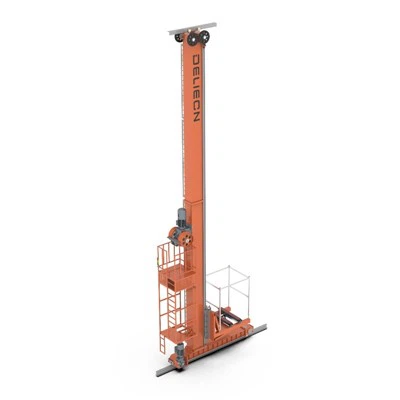
As a leading provider of rack shuttle systems, I understand the importance of ensuring that employees are well-trained to operate these sophisticated machines. Rack shuttles are essential components in modern warehousing and logistics operations, offering high efficiency, accuracy, and flexibility. In this blog post, I will share some valuable insights on how to train employees to operate a rack shuttle effectively.
1. Familiarization with the Rack Shuttle System
Before diving into the operation of the rack shuttle, it is crucial to provide employees with a comprehensive understanding of the system. This includes an overview of the rack shuttle's design, components, and functionality. Employees should be familiar with the different types of rack shuttles available, such as Pallet Stacker Crane + Shuttle Robot Racking, Pallet Shuttle Racking, and Tote Shuttle Robot Racking.
During the familiarization phase, employees should learn about the following aspects:
- System Structure: Explain the layout of the racking system, including the rack frames, rails, and storage locations. Demonstrate how the rack shuttle moves within the system and how it interacts with other equipment, such as conveyors and stacker cranes.
- Components and Functions: Introduce the key components of the rack shuttle, such as the drive system, lifting mechanism, and control panel. Explain the functions of each component and how they work together to perform tasks.
- Safety Features: Highlight the safety features of the rack shuttle, such as emergency stop buttons, sensors, and safety guards. Emphasize the importance of following safety procedures to prevent accidents and injuries.
2. Theoretical Training
Once employees have a basic understanding of the rack shuttle system, it is time to provide them with theoretical training. This training should cover the following topics:

- Operating Principles: Explain the operating principles of the rack shuttle, including how it moves, how it picks and places loads, and how it communicates with the warehouse management system (WMS).
- Control Panel Operation: Teach employees how to operate the control panel of the rack shuttle. This includes how to start and stop the shuttle, how to select the desired storage location, and how to monitor the shuttle's status.
- Error Handling: Train employees on how to identify and handle common errors and malfunctions that may occur during the operation of the rack shuttle. Provide them with troubleshooting guides and procedures to follow in case of an emergency.
- Maintenance and Inspection: Educate employees on the importance of regular maintenance and inspection of the rack shuttle. Teach them how to perform basic maintenance tasks, such as cleaning, lubrication, and component replacement.
3. Practical Training
Theoretical training alone is not enough to ensure that employees can operate the rack shuttle effectively. Practical training is essential to give employees hands-on experience and build their confidence. During the practical training phase, employees should have the opportunity to operate the rack shuttle under the supervision of an experienced trainer.
The practical training should include the following activities:
- Simulation Exercises: Use simulation software or mock-up models to allow employees to practice operating the rack shuttle in a safe and controlled environment. This will help them familiarize themselves with the controls and procedures without the risk of damaging the equipment or causing accidents.
- On-Site Training: Provide employees with on-site training at the actual warehouse or distribution center where the rack shuttle will be used. This will allow them to experience the real-world operating conditions and challenges.
- Task-Based Training: Assign employees specific tasks to perform using the rack shuttle, such as picking and placing loads, moving between storage locations, and interacting with other equipment. This will help them develop the skills and confidence needed to operate the rack shuttle independently.
4. Continuous Training and Support
Training is not a one-time event. It is an ongoing process that requires continuous support and reinforcement. After the initial training, employees should receive regular refresher training to keep their skills up-to-date and to address any new challenges or changes in the rack shuttle system.
In addition to refresher training, employees should have access to ongoing support from the supplier or manufacturer of the rack shuttle. This support may include technical assistance, troubleshooting, and maintenance services. By providing continuous training and support, you can ensure that your employees are able to operate the rack shuttle safely and efficiently.
5. Evaluation and Feedback
To ensure the effectiveness of the training program, it is important to evaluate the performance of the employees and provide them with feedback. This can be done through a combination of practical assessments, written tests, and on-the-job observations.
Based on the evaluation results, you can identify areas where employees need additional training or support. You can also use the feedback to improve the training program and make it more effective.
Conclusion
Training employees to operate a rack shuttle is a critical step in ensuring the success of your warehousing and logistics operations. By providing comprehensive training, practical experience, and ongoing support, you can empower your employees to operate the rack shuttle safely and efficiently.
If you are interested in learning more about our rack shuttle systems or would like to discuss your specific requirements, please do not hesitate to contact us. We are committed to providing high-quality products and services to meet your needs.
References
- [Warehousing and Logistics Handbook](Author, Year)
- [Rack Shuttle System Manual](Manufacturer, Year)