

Is training required to operate a pallet shuttle robot? This is a question that often comes up in the logistics and warehousing industry. As a supplier of pallet shuttle robots, I've had numerous discussions with clients about this very topic. In this blog, I'll explore the necessity of training for operating pallet shuttle robots, considering various aspects such as the complexity of the technology, safety requirements, and the benefits of proper training.

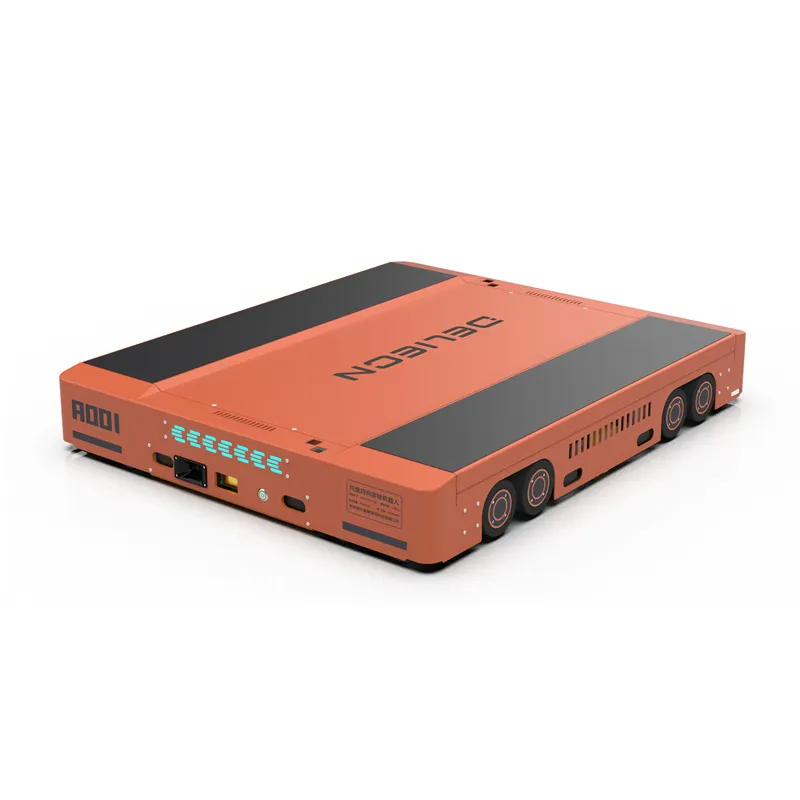
The Complexity of Pallet Shuttle Robot Technology
Pallet shuttle robots are advanced pieces of equipment designed to automate the storage and retrieval of pallets in warehouses. They come in different types, such as the Pallet Two-Way Shuttle Robot, which can move in two directions within the racking system, and the Explosion-Proof Pallet Shuttle Robot, specifically designed for hazardous environments. There's also the Cold Storage Pallet Shuttle Robot, built to operate in low-temperature conditions.
These robots are equipped with sophisticated sensors, control systems, and software that enable them to navigate through the warehouse, pick up and deposit pallets accurately, and communicate with other warehouse management systems. The complexity of these systems means that a basic understanding of the technology is required to operate the robot effectively.
For instance, the control panel of a pallet shuttle robot may have multiple functions and settings that need to be configured correctly. Operators need to know how to set the speed, adjust the lifting height, and program the robot's path. Without proper training, they may make mistakes that could lead to inefficiencies, such as incorrect pallet placement or collisions with other objects in the warehouse.
Safety Requirements
Safety is a top priority in any warehouse environment, and operating a pallet shuttle robot is no exception. These robots can be quite large and heavy, and they move at relatively high speeds. If not operated correctly, they pose a significant risk to the safety of the operators and other workers in the warehouse.
Training is essential to ensure that operators understand the safety features of the robot and how to use them properly. For example, pallet shuttle robots are typically equipped with safety sensors that detect obstacles in their path and automatically stop the robot to prevent collisions. Operators need to know how these sensors work and what to do if they malfunction.
In addition, operators need to be trained on proper safety procedures, such as wearing personal protective equipment (PPE), following traffic rules in the warehouse, and performing regular maintenance checks on the robot. By providing comprehensive safety training, we can reduce the risk of accidents and create a safer working environment for everyone.
Benefits of Proper Training
Proper training for pallet shuttle robot operators offers several benefits for both the operators and the warehouse management.
Improved Efficiency
Trained operators are more likely to operate the robot efficiently, which can lead to increased productivity in the warehouse. They know how to optimize the robot's performance, such as by programming the most efficient routes and minimizing downtime between tasks. This can result in faster pallet handling times and a more streamlined warehouse operation.
Reduced Maintenance Costs
When operators are trained to use the robot correctly, they are less likely to cause damage to the equipment. They know how to perform regular maintenance checks and identify potential problems early on, which can prevent costly breakdowns and repairs. By reducing maintenance costs, the overall cost of operating the pallet shuttle robot is also lowered.
Enhanced Operator Confidence
Training gives operators the confidence they need to operate the robot safely and effectively. When they understand how the robot works and what to do in different situations, they are less likely to feel stressed or overwhelmed. This can lead to higher job satisfaction and lower turnover rates among operators.
Types of Training
There are several types of training that can be provided to operators of pallet shuttle robots.
On-Site Training
On-site training is conducted at the warehouse where the robot will be used. This type of training allows operators to learn in a real-world environment and practice operating the robot under the supervision of an experienced trainer. On-site training can be customized to the specific needs of the warehouse and the operators, and it provides immediate feedback and support.
Classroom Training
Classroom training is typically conducted before the on-site training. It provides operators with a theoretical understanding of the robot's technology, safety features, and operating procedures. Classroom training can include lectures, demonstrations, and hands-on exercises using simulation software. This type of training is useful for introducing operators to the basic concepts and principles of operating the robot.
Online Training
Online training is a convenient option for operators who cannot attend on-site or classroom training. It consists of interactive modules that can be accessed from anywhere with an internet connection. Online training can be self-paced, allowing operators to learn at their own speed. It also provides the flexibility to review the training materials as needed.
Conclusion
In conclusion, training is definitely required to operate a pallet shuttle robot. The complexity of the technology, safety requirements, and the benefits of proper training all point to the necessity of providing comprehensive training to operators. As a supplier of pallet shuttle robots, we are committed to providing our clients with high-quality training programs that ensure the safe and efficient operation of our robots.
If you are interested in purchasing a pallet shuttle robot or learning more about our training programs, please feel free to contact us. We would be happy to discuss your specific needs and provide you with a customized solution.
References
- Industry standards and guidelines for warehouse automation
- Manufacturer's manuals and documentation for pallet shuttle robots
- Research studies on the impact of training on warehouse productivity and safety


