

In the realm of modern warehousing and logistics, pallet shuttle robots have emerged as a game - changer, revolutionizing the way goods are stored and retrieved. As a leading supplier of pallet shuttle robots, I often encounter a question from our clients: What is the maximum inclination angle that a pallet shuttle robot can handle? This blog post aims to delve into this question, exploring the factors that influence the maximum inclination angle and how our products are designed to meet various operational requirements.
Understanding Pallet Shuttle Robots
Before we discuss the maximum inclination angle, it's essential to understand what pallet shuttle robots are and their significance in the industry. Pallet shuttle robots are automated vehicles used to transport pallets within a warehouse. They operate on rails or tracks, moving pallets in and out of storage locations with high precision and efficiency. There are different types of pallet shuttle robots, such as the Pallet Parent Child Shuttle Robot, Cold Storage Pallet Shuttle Robot, and Pallet Four - Way Shuttle Robot. Each type has its unique features and is suitable for different warehouse layouts and storage requirements.
Factors Affecting the Maximum Inclination Angle
The maximum inclination angle that a pallet shuttle robot can handle is influenced by several factors, including the design of the robot, the type of load it carries, and the surface conditions of the track.
Robot Design
The mechanical design of the pallet shuttle robot plays a crucial role in determining its ability to handle inclines. Key design elements include the wheelbase, the type of wheels, and the power system. A longer wheelbase generally provides better stability on inclines, as it distributes the weight of the robot and the load more evenly. The type of wheels also matters; for example, rubber - coated wheels can provide better traction on inclined surfaces compared to metal wheels.
The power system of the robot is another important factor. Electric - powered pallet shuttle robots are commonly used in modern warehouses. The motor power and the control system need to be carefully calibrated to ensure that the robot can generate enough torque to move up an incline while maintaining a stable speed. Our engineers have spent countless hours optimizing the power system of our pallet shuttle robots to ensure they can handle various incline angles efficiently.
Load Type
The type and weight of the load carried by the pallet shuttle robot also affect its maximum inclination angle. Heavier loads require more power to move up an incline, and they can also affect the stability of the robot. If the load is not evenly distributed on the pallet, it can cause the robot to tilt or become unbalanced, especially on an incline. Therefore, when calculating the maximum inclination angle, we need to consider the weight and distribution of the load. Our pallet shuttle robots are designed to handle a wide range of load weights, but it's important for our clients to provide accurate information about the loads they plan to transport to ensure optimal performance.
Surface Conditions
The surface conditions of the track on which the pallet shuttle robot operates can have a significant impact on its ability to handle inclines. A smooth and clean track provides better traction, allowing the robot to move more easily up and down an incline. On the other hand, a track with debris, oil, or uneven surfaces can reduce traction and increase the risk of the robot slipping or getting stuck. Regular maintenance of the track is essential to ensure the safe and efficient operation of the pallet shuttle robot, especially when operating on inclines.
Maximum Inclination Angle of Our Pallet Shuttle Robots
After extensive research and development, our pallet shuttle robots are designed to handle a maximum inclination angle of up to [X] degrees. This angle has been determined through a series of rigorous tests in our state - of - the - art testing facilities. We have tested our robots with different load types and under various surface conditions to ensure that they can perform reliably in real - world warehouse environments.
Our Pallet Parent Child Shuttle Robot is designed for high - density storage systems. It can handle inclines up to [X] degrees, making it suitable for warehouses with multi - level storage racks. The parent - child design allows for greater flexibility in pallet handling, and the advanced control system ensures stable operation on inclines.
The Cold Storage Pallet Shuttle Robot is specifically designed for cold storage warehouses. It can operate in low - temperature environments and handle inclines up to [X] degrees. The robot is equipped with special insulation and heating systems to protect its components from the cold, and the wheels are designed to provide good traction on icy or cold surfaces.
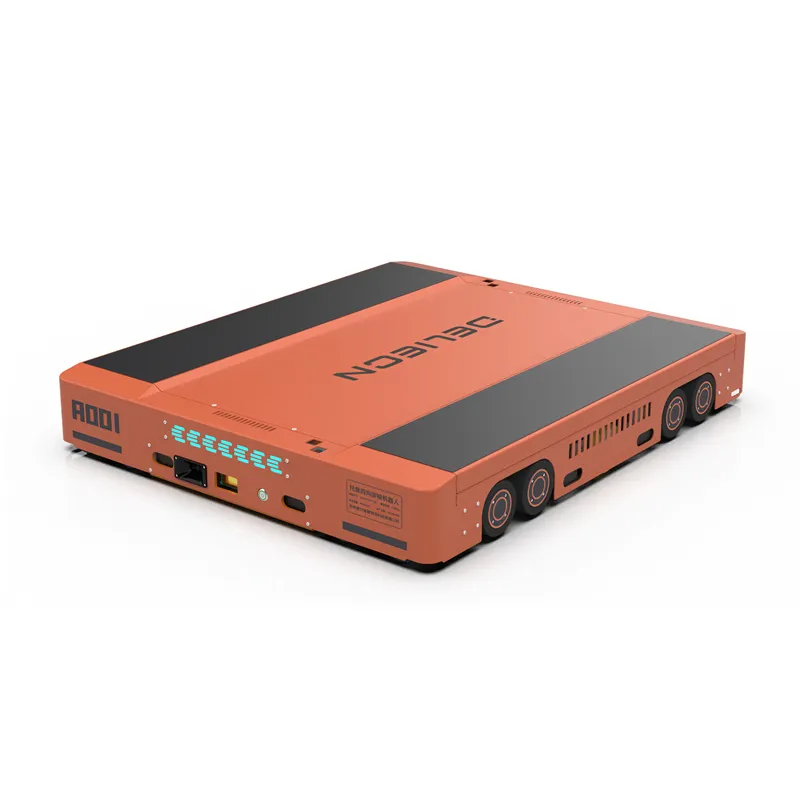
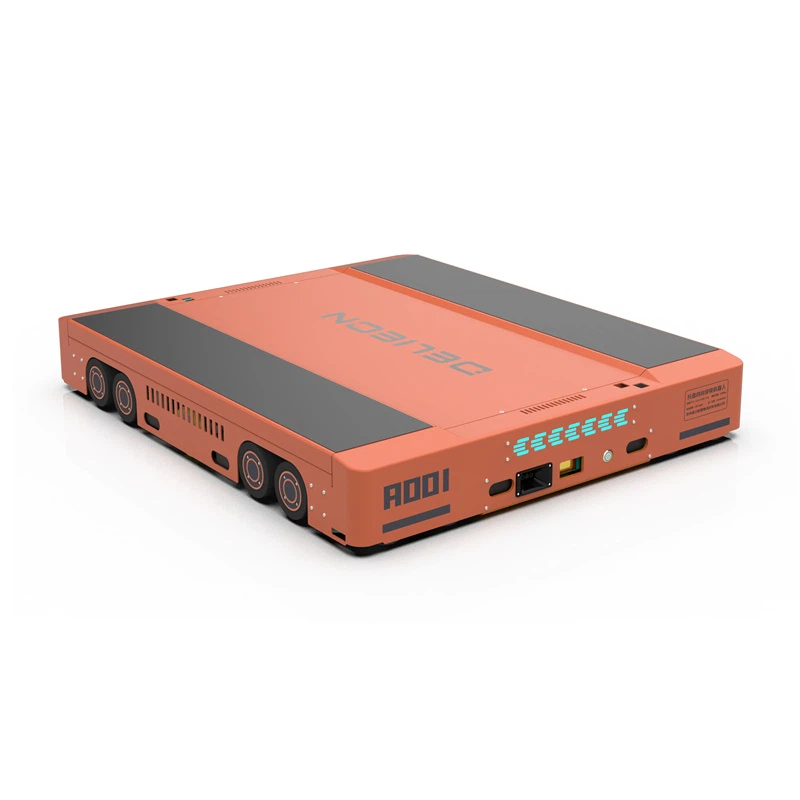
The Pallet Four - Way Shuttle Robot offers four - way movement capabilities, allowing it to move in both the longitudinal and transverse directions. This robot can handle inclines up to [X] degrees, making it ideal for warehouses with complex layouts. The four - way movement feature provides greater flexibility in pallet storage and retrieval, and the robot can easily navigate through narrow aisles and around obstacles even on inclined tracks.
Importance of the Maximum Inclination Angle in Warehouse Design
The maximum inclination angle that a pallet shuttle robot can handle is an important consideration in warehouse design. Warehouses with multi - level storage racks often require the use of inclined tracks to connect different levels. By choosing a pallet shuttle robot with a suitable maximum inclination angle, warehouse designers can optimize the layout of the warehouse, increase storage density, and improve the efficiency of goods handling.
For example, in a high - rise warehouse, using a pallet shuttle robot that can handle a steeper incline angle allows for a more compact design of the storage racks. This means that more pallets can be stored in the same floor area, increasing the overall storage capacity of the warehouse. Additionally, a robot with a higher maximum inclination angle can reduce the distance between different levels of the storage racks, which can shorten the travel time of the robot and improve the throughput of the warehouse.
Contact Us for Your Pallet Shuttle Robot Needs
If you are in the process of designing a new warehouse or looking to upgrade your existing warehousing system, our pallet shuttle robots are the ideal solution. Our team of experts can work with you to understand your specific requirements and recommend the most suitable pallet shuttle robot for your application. We offer a comprehensive range of products, from the Pallet Parent Child Shuttle Robot to the Cold Storage Pallet Shuttle Robot and the Pallet Four - Way Shuttle Robot.
Contact us today to discuss your pallet shuttle robot needs. Our sales team is ready to answer your questions and provide you with detailed product information and pricing. Let us help you optimize your warehousing operations with our high - quality pallet shuttle robots.
References
- Industry reports on warehousing automation technologies
- Technical specifications of our pallet shuttle robots
- Research papers on the design and performance of automated guided vehicles on inclined surfaces


