Many freezer warehouses face the same pressure: space is tight, energy costs are high, and traceability requirements are becoming stricter. In frozen food operations, these problems usually appear together. As inventory grows, manual storage methods become harder to scale.
This is why freezer warehouse automation is becoming a practical option for more cold-chain operators.
The Main Problems
In many cold storage facilities, the biggest issues are clear:
valuable refrigerated space is underused
forklift handling in freezer zones is inefficient
labor intensity is high in low-temperature environments
batch tracking and FIFO control become harder as inventory grows
each additional pallet adds more operating pressure
In short, many operators are trying to solve space, efficiency, and traceability at the same time.
How Automation Helps
An automated cold storage system improves warehouse performance in three main ways.
First, it increases storage density.
By using higher and denser storage layouts, the system stores more pallets within the same footprint.
Second, it reduces manual handling in freezer areas.
Less forklift movement and less low-temperature exposure help improve labor safety and operating consistency.
Third, it strengthens inventory control.
With WMS/WCS integration, the system supports batch management, inventory visibility, and traceability workflows.
Which System Is More Suitable?
Both pallet shuttle systems and stacker cranes are high-density storage solutions, but they suit different projects.
Pallet shuttle systems are often more suitable for pallet storage with lower SKU complexity and strong density requirements.
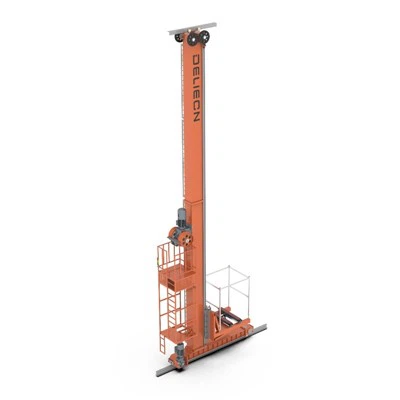
Stacker cranes are more suitable for projects with more SKUs and higher inbound and outbound efficiency requirements.
Project Reference
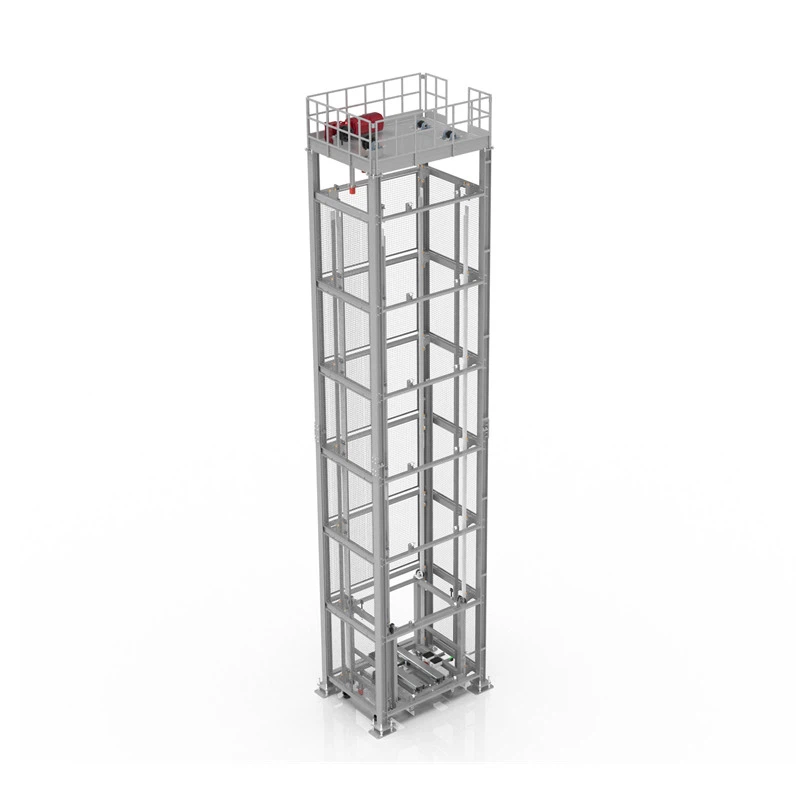
In one -25°C freezer warehouse project, DELIECN delivered a pallet four-way shuttle system with lifting, racking, conveying, and software coordination. The project provided approximately 3,484 pallet locations and helped improve space utilization, reduce labor exposure in low-temperature zones, and strengthen inventory visibility.
Final Thoughts
For freezer warehouses, automation is not only about storing more pallets. It is also about lowering cold-room pressure, improving process control, and making traceability easier to manage.
If your operation is facing pressure from space limits, rising energy costs, or stricter traceability requirements, freezer warehouse automation is worth evaluating.