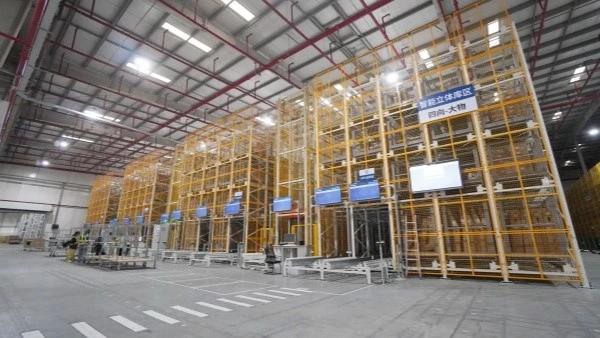
In the realm of industrial storage solutions, heavy duty racking stands as a cornerstone for warehouses, distribution centers, and manufacturing facilities. As a seasoned heavy duty racking supplier, I understand the critical importance of evaluating the quality of these storage systems. A high - quality heavy duty racking can significantly enhance the efficiency of storage, safety in the workplace, and the overall return on investment. In this blog, I will share some key aspects to consider when assessing the quality of heavy duty racking.
1. Material Quality
The foundation of any high - quality heavy duty racking lies in the materials used for its construction. Steel is the most commonly used material for heavy duty racking due to its strength, durability, and resistance to corrosion. When evaluating the material quality, pay attention to the following points:
- Steel Grade: Different grades of steel offer varying levels of strength and toughness. For heavy duty applications, high - grade steel is essential. It should be able to withstand heavy loads without deformation or failure. For instance, racking systems designed to hold palletized goods need to be made of steel that can handle the weight of multiple pallets stacked on top of each other. A lower - grade steel may not be able to support these weights, leading to potential collapses and safety hazards.
- Thickness of Steel: The thickness of the steel used in the racking components is also crucial. Thicker steel generally means greater load - bearing capacity. Components such as uprights, beams, and connectors should have appropriate thicknesses based on the expected loads. For example, in a warehouse where large and heavy items are stored, the uprights may need to be made of thicker steel to provide sufficient support.
- Surface Treatment: To prevent corrosion, especially in humid or corrosive environments, the steel used in the racking should have a proper surface treatment. Common surface treatments include galvanizing, powder coating, and painting. Galvanized steel has a protective zinc layer that provides long - term corrosion resistance. Powder coating not only provides a decorative finish but also offers good protection against scratches and environmental factors.
2. Structural Design
A well - designed heavy duty racking system is essential for optimal performance. The following elements of the structural design need to be evaluated:
- Load - Bearing Capacity: The racking should be designed to meet the specific load requirements of the storage facility. This includes considering the weight of the stored items, the weight of the pallets, and any dynamic loads that may occur during handling. An accurate calculation of the load - bearing capacity ensures that the racking will not be overloaded, reducing the risk of failure. For example, if a racking system is designed for a maximum load of 5000 kg per level, it should be able to safely support that weight under normal operating conditions.
- Stability: Stability is a key factor in the design of heavy duty racking. The system should be designed to resist lateral forces, such as those caused by forklift collisions or seismic activity. This can be achieved through proper bracing and connection methods. For instance, diagonal bracing can be used to strengthen the frame of the racking and prevent it from swaying or tipping over.
- Compatibility: The racking system should be compatible with the storage equipment and handling methods used in the facility. For example, it should be designed to accommodate the size and lifting height of the forklifts. The racking design should also consider the layout of the warehouse, allowing for efficient storage and retrieval operations. If the racking is not compatible with the equipment, it can lead to inefficiencies and potential damage to the racking or the stored items.
3. Manufacturing Precision
The manufacturing process plays a vital role in determining the quality of heavy duty racking. High - precision manufacturing ensures that the components fit together correctly and that the racking system is assembled securely.
- Dimensional Accuracy: The components of the racking should be manufactured with high dimensional accuracy. This means that the length, width, and height of the uprights, beams, and other parts should be within the specified tolerances. If the dimensions are not accurate, it can lead to problems during assembly, such as misaligned joints or difficulty in fitting the components together. For example, a slight deviation in the width of a beam can make it difficult to install it on the uprights, compromising the overall stability of the racking.
- Welding Quality: In heavy duty racking, welding is often used to join components together. The quality of the welding is crucial for the strength and durability of the racking. High - quality welding should be free of defects such as cracks, porosity, and incomplete fusion. A well - welded joint can withstand the stresses and loads applied to the racking during its operation. Poor welding quality can lead to joint failure, which can cause the entire racking system to collapse.
- Assembly Ease: A well - manufactured racking system should be easy to assemble. This not only saves time during installation but also reduces the risk of errors. Clear assembly instructions and well - designed components can make the installation process more efficient. For example, components that are color - coded or have numbered labels can make it easier for the installation team to identify and assemble the parts correctly.
4. Safety Features
Safety is of utmost importance in any storage facility, and heavy duty racking should be equipped with appropriate safety features.
- Load Limit Labels: Each level of the racking should have clear load limit labels. These labels indicate the maximum weight that the level can safely support. This helps operators to avoid overloading the racking, which can lead to structural failure. For example, if an operator is unaware of the load limit and places a heavier load on a level, it can cause the beams to bend or break.
- Protective Elements: The racking system should have protective elements to prevent damage from forklift collisions. This can include column protectors, which are installed at the base of the uprights to absorb the impact of a forklift. Beam protectors can also be used to protect the beams from damage. Additionally, safety pins or clips should be used to secure the beams to the uprights, preventing them from accidentally coming loose.
- Compliance with Standards: The heavy duty racking should comply with relevant safety standards and regulations. These standards ensure that the racking is designed, manufactured, and installed to meet minimum safety requirements. For example, in many countries, racking systems need to comply with standards such as ISO or local safety codes.
5. After - Sales Service
As a heavy duty racking supplier, I understand that after - sales service is an important part of evaluating the quality of the product. A reliable supplier should offer comprehensive after - sales support.
- Installation Support: The supplier should provide professional installation services or detailed installation instructions. This ensures that the racking is installed correctly, which is essential for its performance and safety. For example, an installation team with experience in heavy duty racking can ensure that all components are properly assembled and that the racking is level and stable.
- Maintenance and Repairs: Regular maintenance is necessary to keep the racking in good condition. The supplier should offer maintenance services or provide guidance on how to perform maintenance tasks. In case of any damage or malfunction, the supplier should be able to provide prompt repair services. For example, if a beam is damaged, the supplier should be able to quickly replace it to minimize downtime.
- Technical Support: Customers may have questions or need technical advice during the use of the racking. The supplier should have a technical support team that can provide timely and accurate answers. This can help customers to optimize the use of their racking systems and solve any problems that may arise.
Related Product Links
If you are interested in exploring other types of storage racking systems, you can check out the following links:https://www.deliecn.com


- Mezzanine Racking: This type of racking is ideal for maximizing vertical space in a warehouse.
- Push - in Racking For High - Density Storage: It offers a high - density storage solution, suitable for storing large quantities of similar items.
- Steel Structure Platform: A versatile solution for creating additional storage or working space in a warehouse.
Conclusion
Evaluating the quality of heavy duty racking is a comprehensive process that involves considering multiple factors, including material quality, structural design, manufacturing precision, safety features, and after - sales service. By carefully assessing these aspects, you can ensure that you choose a high - quality heavy duty racking system that meets your storage needs and provides long - term value.
If you are in the market for heavy duty racking and want to discuss your specific requirements, we are here to help. Let's engage in a detailed discussion to find the best storage solution for your facility.
References
- ASTM International. "Standards for Storage Racking Systems".
- Material Handling Industry of America. "Best Practices for Racking Installation and Safety".