How to Upgrade an Existing Pallet Stacker Crane Racking System
As a pallet stacker crane racking supplier, we recognize the value of warehouse storage system modernization. A well-upgraded racking system can greatly boost handling efficiency, expand storage volume and enhance overall operational safety. This article presents practical steps and key considerations for renovating existing pallet stacker crane racking facilities.
1. Conduct a Comprehensive Assessment
The first upgrade step is to fully inspect the current racking setup. Evaluate rack structural stability, stacker crane working performance and overall warehouse layout. Check for common defects including bent beams, loose joints and broken parts.
Measure actual rack dimensions and available indoor space. Confirm current storage capacity and pallet specifications. Analyze inbound and outbound cargo flow to locate operational bottlenecks and inefficient links. The assessment results can clearly reflect system status and define improvement directions
2. Define Your Upgrading Goals
Once you have a clear understanding of the current system, it's time to define your upgrading goals. Are you looking to increase storage capacity, improve operational efficiency, enhance safety, or all of the above? For example, if your business is growing and you need to store more pallets, increasing the height or density of the racks might be a priority. If you're experiencing long lead times in retrieving goods, improving the speed and accuracy of the stacker cranes could be the goal.
Consider your future business needs as well. If you plan to expand your product line or change the types of pallets you use, the upgraded system should be flexible enough to accommodate these changes. Clearly defining your goals will guide the rest of the upgrading process.
3. Explore Upgrade Options
There are several ways to upgrade a Pallet Stacker Crane Racking system. Here are some common options:
- Adding More Racks: If you have available space in the warehouse, adding additional racks can increase storage capacity. You can either expand the existing rack structure or install new racks in an unused area. Make sure to consider the load - bearing capacity of the warehouse floor and the overall stability of the racking system.
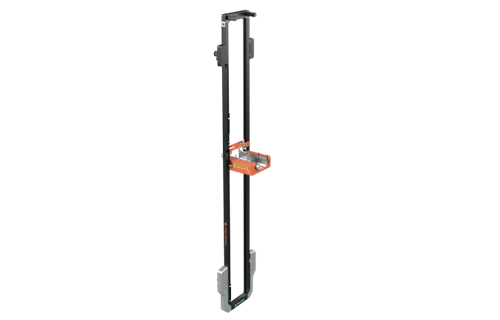
- Upgrading Stacker Cranes: Newer stacker cranes come with advanced features such as higher lifting speeds, better positioning accuracy, and improved safety mechanisms. Upgrading your stacker cranes can significantly improve the efficiency of the system. You can also consider adding more stacker cranes to increase the handling capacity.
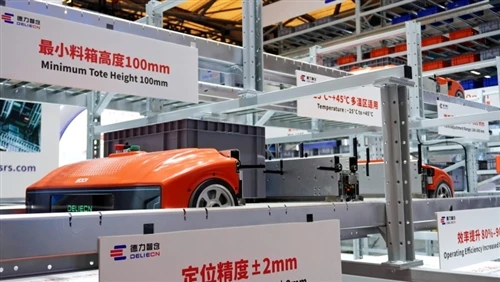
- Integrating Automation: Automation can greatly enhance the efficiency of a Pallet Stacker Crane Racking system. For example, you can integrate Pallet Stacker Crane + Shuttle Robot Racking or Tote Shuttle Robot Racking. These systems use robots to move pallets or totes within the racks, reducing the need for manual labor and improving the speed of operations.
- Improving Safety Features: Safety is a top priority in any warehouse. You can upgrade the safety features of the racking system, such as adding anti - collision devices, safety barriers, and emergency stop buttons. This will help prevent accidents and protect your employees and inventory.
4. Select the Right Upgrading Solution
Based on your assessment and goals, select the upgrading solution that best suits your needs. Consider factors such as cost, implementation time, and the impact on your existing operations. If you're on a tight budget, a simple upgrade like adding more racks might be a good option. If you're looking for a long - term solution to improve efficiency, integrating automation could be the way to go.
When selecting a solution, also consider the compatibility of the new components with the existing system. Make sure that the new stacker cranes, racks, or automation equipment can work seamlessly with the current setup. Consult with a professional engineer or a supplier like us to ensure that the selected solution is technically feasible and meets your requirements.
5. Plan the Upgrade Process
Once you have selected the upgrading solution, it's time to plan the upgrade process. This includes creating a detailed project plan, setting a timeline, and allocating resources. The project plan should include tasks such as disassembling the existing racks, installing the new components, and testing the upgraded system.
Coordinate with your internal team, including warehouse staff, maintenance personnel, and IT department, to ensure a smooth transition. Communicate the upgrade plan to all relevant stakeholders and provide training to the employees who will be operating the new system.
6. Implement the Upgrade
During the implementation phase, follow the project plan carefully. Start by disassembling the existing components that need to be replaced. This should be done in a safe and organized manner to avoid any damage to the warehouse or the equipment.
Install the new components, such as racks, stacker cranes, or automation equipment, according to the manufacturer's instructions. Make sure to perform all necessary tests and inspections to ensure that the new system is working properly. This includes testing the lifting capacity of the stacker cranes, the accuracy of the positioning system, and the functionality of the automation equipment.


7. Conduct Post - Upgrade Testing and Evaluation
After the upgrade is completed, conduct a comprehensive post - upgrade testing and evaluation. This includes checking the performance of the new system, such as the storage capacity, the speed of operations, and the accuracy of the inventory management. Compare the results with the pre - upgrade state to measure the effectiveness of the upgrade.
Collect feedback from the warehouse staff who are using the new system. They can provide valuable insights into any issues or areas for improvement. Based on the feedback and the test results, make any necessary adjustments to the system to optimize its performance.
8. Maintenance and Support
Once the upgraded system is up and running, it's important to establish a regular maintenance schedule. This includes inspecting the racks, stacker cranes, and automation equipment for any signs of wear and tear, lubricating moving parts, and replacing any damaged components.
As a supplier, we offer comprehensive maintenance and support services for our Pallet Stacker Crane Racking systems. Our team of experts can provide on - site maintenance, remote monitoring, and technical support to ensure that your system is always in optimal condition.
If you're considering upgrading your existing Pallet Stacker Crane Racking system, we're here to help. Our experienced team can assess your current system, recommend the best upgrading solutions, and provide end - to - end support throughout the upgrade process. Contact us to discuss your needs and start the journey towards a more efficient and effective warehouse storage system.
References
- Industry standards for warehouse racking systems.
- Manufacturer's manuals for stacker cranes and related equipment.
- Case studies of successful racking system upgrades in similar warehouses.