Transporting goods over long distances is a critical aspect of modern supply chains, and conveying equipment plays an indispensable role in facilitating this process. As a leading conveying equipment supplier, I've witnessed firsthand the multifaceted challenges associated with long - distance transportation using such machinery. In this blog, I'll delve into the key difficulties, and offer valuable insights for companies looking to navigate these hurdles effectively.
Mechanical Wear and Tear
One of the most prominent challenges is the significant mechanical wear and tear that conveying equipment endures during long - distance transportation. Conveyor belts, rollers, and chains are constantly in motion, subject to friction, tension, and pressure over extended periods. For instance, a Chain Conveyor used for long - haul operations may experience accelerated chain link fatigue. The links are repeatedly stressed, leading to elongation, increased clearances, and eventually, potential breakage.
Rollers in a conveyor system can also suffer from wear. Their bearings are under continuous rotational stress, and if not properly lubricated or maintained, they can overheat or seize up. This is especially true in harsh environments where dust, dirt, and moisture can penetrate the bearing housings, causing corrosion and premature failure. Similarly, conveyor belts are vulcanized to join the ends together, and these splices can be a weak point, prone to separation as the belt is stretched and flexed over long distances.
Energy Consumption
Long - distance conveying operations are energy - intensive. Powering large - scale conveyor systems for extended periods requires a substantial amount of electricity. This is a major financial burden for companies, as energy costs can significantly cut into profit margins. Additionally, the high energy consumption has environmental implications, contributing to carbon emissions and non - renewable resource depletion.
The factors that exacerbate energy consumption include the length of the conveyor, the weight of the transported goods, and the speed of operation. For example, a heavier load requires more power to move along the conveyor, and increasing the speed also raises the energy demand exponentially. In some cases, the power needed to overcome the friction between the conveyor components and the goods being transported can be extremely high, further pushing up energy costs.
System Complexity and Integration
Long - distance conveying systems are often part of large - scale logistics networks that involve multiple types of conveying equipment and other handling systems. Integrating these different components seamlessly is a complex task. For instance, if a Palletizer/Depalletizer is to be integrated with a long - distance chain conveyor, the two systems must be synchronized in terms of speed, load capacity, and control mechanisms. Any misalignment in these parameters can lead to bottlenecks and inefficiencies in the overall operation.
Moreover, modern conveying systems are increasingly automated, relying on complex control software. Programming and maintaining these control systems to ensure the smooth operation of long - distance conveyors can be a daunting task. Software glitches or malfunctions can disrupt the entire transportation process, leading to delays and potential losses.
Environmental Factors
The environment in which long - distance conveying equipment operates can present a multitude of challenges. Temperature extremes can have a profound impact on the performance of conveyor components. In cold environments, for example, conveyor belts can become brittle and prone to cracking, while lubricants in bearings may thicken, reducing their effectiveness. In hot environments, the heat can cause the expansion of conveyor parts, leading to misalignments and increased wear.
Moisture and humidity are also major concerns. They can cause corrosion of metal components such as conveyor frames, chains, and rollers. In outdoor long - distance conveyor systems, exposure to rain, snow, and high humidity can accelerate the degradation process, shortening the lifespan of the equipment. Additionally, dust and debris can accumulate on conveyor belts and in mechanical components, causing abrasion and interference with the normal operation of the system.
Maintenance and Downtime
Regular maintenance is essential for the reliable operation of long - distance conveying equipment. However, conducting maintenance on large - scale, long - distance conveyor systems is a complex and time - consuming process. These systems are often installed in large industrial facilities or spread across vast outdoor areas, making access to certain components difficult.
Scheduled maintenance may require shutting down the entire conveyor system, resulting in significant downtime. Unscheduled breakdowns can also occur, causing unexpected halts to the transportation process. The cost of downtime is substantial, including lost production, missed delivery deadlines, and potential damage to the company's reputation.
Safety Concerns
Long - distance conveying equipment poses several safety risks. Workers who operate and maintain these systems are exposed to moving parts, heavy loads, and high - voltage electrical components. For example, there is a risk of entanglement in conveyor belts, chains, or gears, which can cause serious injuries or even fatalities. Additionally, the handling of heavy goods on conveyors can lead to back injuries, strains, and falls.


Ensuring the safety of workers in the vicinity of long - distance conveyor systems requires comprehensive safety protocols, appropriate training, and the installation of safety devices such as emergency stop buttons, guarding, and warning signs. However, implementing and enforcing these safety measures across a large - scale operation can be challenging.
Addressing the Challenges
Despite these challenges, there are several strategies that companies can adopt to mitigate the issues associated with long - distance conveying. Firstly, investing in high - quality equipment is crucial. High - end conveying systems are often designed with better - quality materials and more advanced technologies, which can reduce wear and tear and improve energy efficiency.
Regular maintenance schedules should be established, and condition - based monitoring techniques can be employed. For example, using sensors to monitor the temperature, vibration, and load of conveyor components can help detect potential problems before they lead to breakdowns. This can significantly reduce downtime and maintenance costs.
In terms of energy consumption, companies can explore energy - efficient solutions such as variable frequency drives (VFDs) for conveyor motors. VFDs can adjust the motor speed according to the actual load requirements, thus reducing energy wastage.
For system integration, collaborating with experienced system integrators can help ensure a seamless connection between different conveying equipment and handling systems. Advanced control software can also be optimized through regular updates and thorough testing.
To address environmental challenges, the use of protective coatings for metal components, proper insulation for belts in extreme temperatures, and the installation of dust - and moisture - proof enclosures can be effective measures.
In the realm of safety, continuous training programs for workers, regular safety audits, and the strict enforcement of safety regulations are essential.
Conclusion
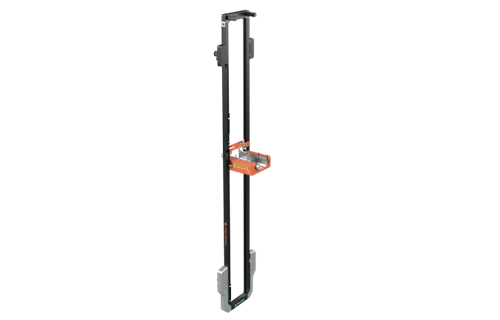
Long - distance transportation using conveying equipment presents a variety of challenges, from mechanical wear and tear to safety concerns. However, with proper planning, investment in high - quality equipment, and the implementation of effective maintenance and safety strategies, these challenges can be overcome. As a conveying equipment supplier, I understand the importance of providing reliable solutions to help companies optimize their long - distance transportation processes. Whether you need a Palletizer/Depalletizer, a High - Speed Tote Lifter, or a Chain Conveyor, we have the expertise and experience to meet your needs. If you're facing challenges with your long - distance conveying operations or are looking to upgrade your equipment, don't hesitate to reach out and start a conversation about how we can assist you in achieving a more efficient and reliable transportation system.
References
- White, R. (2018). Conveyor Systems Technology Handbook. Industrial Press.
- Brown, S. (2020). Driven to Deliver: The Future of Conveyor Technology. Logistics Today.