Hey folks, if you've ever shopped for warehouse storage solutions, you've probably heard the buzz about Pallet Shuttle Robot Racking lately-especially from suppliers like us, right? Today, we're breaking down its cost-effectiveness, because let's be real: investing in new warehouse gear isn't a small decision. It's not just about "cool tech" on the showroom floor; it's about making sure that tech actually pays for itself over time. We'll cut through the jargon here, keep it real, and skip the corporate fluff.
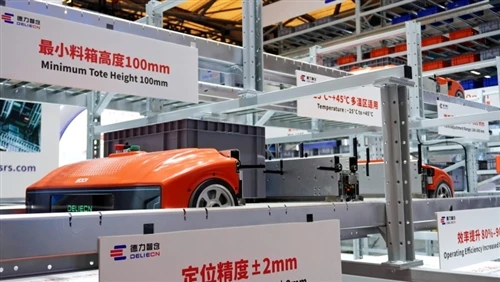
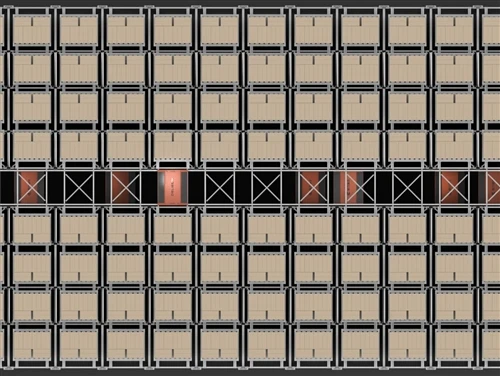
First, let's get clear on what Pallet Shuttle Robot Racking is, for anyone new. It's a type of automated storage and retrieval system (AS/RS) that uses battery-powered shuttle robots to move pallets along fixed rails in dense, deep-lane racking-think way more pallets crammed into the same space than you could get with traditional forklift aisles. If you're curious about similar automated solutions, check out our Tote Shuttle Robot Racking or
Pallet Stacker Crane Racking for context, but today we're zeroing in on the pallet version.
Upfront Costs: What You Actually Pay (No Hidden Surprises)
Let's start with the big one: upfront capital expenditure (CAPEX). From what we've seen with our clients, Pallet Shuttle Robot Racking usually runs 20-30% less than a full Pallet Stacker Crane system, because you don't need expensive cranes for every lane. That's a huge win for mid-sized warehouses that don't have the budget for top-tier AS/RS right off the bat. Of course, it's more than traditional static racking or even drive-in racking-but let's be honest, traditional systems can't touch the density here. For example, a traditional selective rack might give you 80 pallets in a 1,000 sq ft space, while Pallet Shuttle Robot Racking can push that to 160 or more. That space savings alone is a big part of cost-effectiveness, even before we talk about labor.
Wait, a quick note: we also do a combo option, Pallet Stacker Crane + Shuttle Robot Racking, which is for super high-volume warehouses, but that's a different price point. For most small to mid-sized warehouses, standalone Pallet Shuttle is the sweet spot.
Ongoing Operating Costs: Where the Savings Really Kick In
Now, let's talk about operational expenditure (OPEX)-this is where the magic happens, because most clients don't realize how much they're wasting on old-school forklift labor. Forklift drivers aren't cheap, and they're inefficient. They need wide aisles to maneuver, they waste time driving back and forth to pallets, and they're prone to errors that lead to damaged goods or warehouse shutdowns.
With Pallet Shuttle Robot Racking, you eliminate those issues. The shuttles move pallets automatically, so you don't need as many drivers-like, we've seen clients cut their forklift labor costs by 50-60% within a year. Also, the shuttles are electric, so energy costs are way lower than gas or diesel forklifts. Maintenance? The shuttles are built to last-we've got clients who've had theirs running 4 years with only routine part changes, like battery swaps, which are way cheaper than fixing forklifts or paying for downtime when a forklift breaks.
Another big OPEX win: less product damage. Forklifts bump into racking, misplace pallets, or drop boxes-all of that adds up to replacement costs. The shuttle robots are precise, so damage rates drop by as much as 70% in some cases. That's not just "nice to have"; it's real money back in your pocket every month.
Space Costs: The Hidden Expense You're Overlooking
Here's a thing most warehouse owners don't think about until it's too late: rent. If you're outgrowing your space, moving to a bigger warehouse can cost tens of thousands in relocation fees, plus higher monthly rent. Pallet Shuttle Robot Racking doubles your storage density without expanding your footprint. Let's do a quick example: if your current warehouse is 20,000 sq ft, adding Pallet Shuttle could let you store the same number of pallets in 10,000 sq ft. That means you can either downsize your rent (saving $10k+ a month) or use the extra 10k sq ft for packing, shipping, or even new inventory that you couldn't fit before.
Downtime & Productivity: The Cost of "Broken" Operations
Downtime kills businesses, especially in e-commerce or retail where timing is everything. Traditional forklift-based racking means delays when a driver calls out sick, a forklift breaks down, or aisles are blocked. With Pallet Shuttle Robot Racking, the shuttles run on a centralized control system, so you can schedule maintenance outside of peak hours, and you don't have to wait for a driver to get to a pallet. We're talking about 15-20% higher productivity rates because your team is focused on picking, packing, and shipping instead of chasing pallets.
Also, inventory accuracy is way better with these systems. The control software tracks every pallet in real time, so you don't have to do manual counts (which are error-prone and take hours) or deal with lost inventory. One of our clients in the electronics space used to have 3-5% inventory shrinkage a year from miscounts and lost pallets. After installing Pallet Shuttle, that dropped to less than 0.5%-saving them over $400,000 a year in lost goods. That's a huge number that most people don't factor into their cost calculations.
Are There Any Hidden Costs? Let's Be Honest
No system is perfect, so we won't pretend there are no downsides. First, the upfront cost is higher than static racking, but we've done the math for hundreds of clients: the payback period is usually between 18 and 36 months, which is super fast for warehouse tech. Also, you need to make sure your warehouse is set up for it-high ceilings (at least 24 feet, but we can adjust for lower ones) and a flat floor. But even if your space isn't ideal, we can tweak the system. And if you're worried about tech support, we offer 24/7 customer service and on-site maintenance, so you don't have to stress about fixing a shuttle yourself.

Wait, another option we have is Mini-Flybox Racking for smaller items, but that's a different use case. For pallets, Pallet Shuttle is still the best balance of cost and performance.
Real-World Case Study: A Client Who Saw 3x ROI in 2 Years
Let's give a concrete example. We worked with a prepared-food manufacturer - production, processing, and sales all under one roof. Their cold storage was the classic setup: reach trucks working narrow aisles, forklift drivers rotating through sub-zero temperatures, and a warehouse that was simply running out of positions. Every growth plan they had started with the same question - rent another cold room, or build a new one?
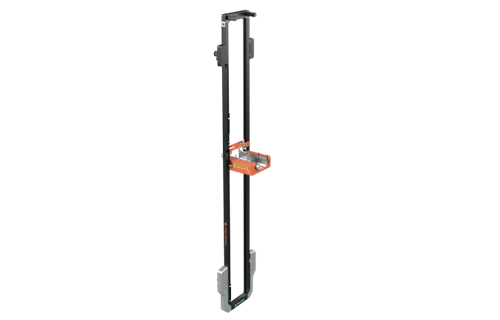
They chose a third option: they invested in a DELIECN low-temperature Pallet Four-Way Shuttle AS/RS - shuttle robots rated for freezer operation, lifters, conveyors, and WMS/WCS - in their existing facility. Let's break down what changed:
- Space: The system delivers roughly 3,484 pallet locations, with space utilization up about 300%. Same footprint, triple the storage - the expansion they were budgeting for never needed to be built.
- Labor: The shuttles now do the in-rack work inside the cold zone. Forklift drivers no longer spend their shifts at -18°C, which in cold chain matters twice: it cuts labor cost, and it removes a role that is genuinely hard to staff.
- Throughput: Storage and retrieval efficiency improved by 60%+, with shuttles changing aisles and levels on their own instead of waiting for a forklift to reposition them.
- Product loss: Inventory accuracy reached 99.99%, with real-time visibility and full traceability. In food, that is the difference between shipping the oldest batch first and writing off expired stock buried at the back of a lane.
So, Is Pallet Shuttle Robot Racking Worth It For You?
It depends, but for most warehouses that store pallets of similar products (like food, beverages, retail goods) and struggle with space, labor, or downtime-yes, absolutely. If you're a small business that only needs to store 500 pallets, maybe stick to traditional racking. But if you're storing 1,000+ pallets, or outgrowing your space, or paying too much in labor, this system will almost always pay for itself faster than you think.
Ready to Talk?
We're here to help you figure out if Pallet Shuttle Robot Racking is a fit for your warehouse. Whether you're looking for a cost comparison, a custom quote, or just want to ask questions, reach out to our team to chat through your needs. We don't do one-size-fits-all solutions-we build systems that work for your budget and your space.
References
- Material Handling Industry Association. (2023). Cost-Benefit Analysis of Automated Storage and Retrieval Systems for Mid-Sized Warehouses.
- Global Warehouse Logistics Report. (2024). Labor Cost Trends in U.S. Warehouses: 2019-2024.
- Journal of Industrial Engineering and Management. (2023). Space Utilization Efficiency of Deep-Lane Pallet Racking Systems.
- Supply Chain Digest. (2024). Inventory Shrinkage Reduction: Automated vs. Manual Warehouse Operations.